
Earwax Management

What’s the Point of Earwax?
Earwax, that yellowish-brown substance produced by the glands of the external ear, may conjure the ick factor for many people, but it actually serves a pretty important purpose. Learn what it’s there for, how to manage it, and what to do if it becomes a problem.
Why Is Earwax in Your Ear?
Earwax — also called “cerumen” — results from secretions by the ceruminous glands in the outer ear canal. The secretions help lubricate the ear canal and help maintain an acidic environment that curbs development of harmful bacteria and fungi.
Movements of the lower jaw — speaking or chewing, for example — continually move the earwax toward the outer ear canal, helping cleanse the ear and push out excess wax.
Life without earwax would be a lot less comfortable; earwax not only helps keep the canal clean, but it also prevents dirt and other debris from reaching and potentially damaging the eardrum. In addition, earwax can help keep ears from feeling itchy and dry.
Earwax levels vary considerably from one person to the next. The typical amount produced can vary by age, gender, or other factors.
When Should Earwax Be Removed?
Normally, you shouldn’t need to remove earwax; your ears will naturally handle that function by pushing out the excess.
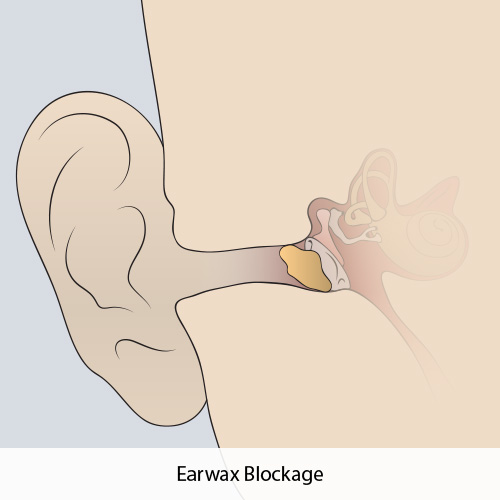
At times, however, the ear glands may produce more wax than necessary, and earwax blockage can occur. People who use hearing aids, wear earplugs, or push objects like cotton swabs into their ears can be more prone to these problems.
About 10 percent of children and more than 30 percent of older and cognitively-impaired patients have excessive earwax, according to a report published by the American Family Physician. The excess buildup — more than the ear can remove naturally — may cause one or more symptoms, such as the following:
- Itch, odor, or drainage
- Partial hearing loss
- Sensation of a plugged ear or of fullness in the ear
- Humming, ringing, or buzzing in the ears, or tinnitus
- Pain in the ear
- Vertigo, dizziness, or balance problems
When earwax builds to the point of causing pain or other symptoms, or preventing a professional examination of the ear, it’s time to clean it out.
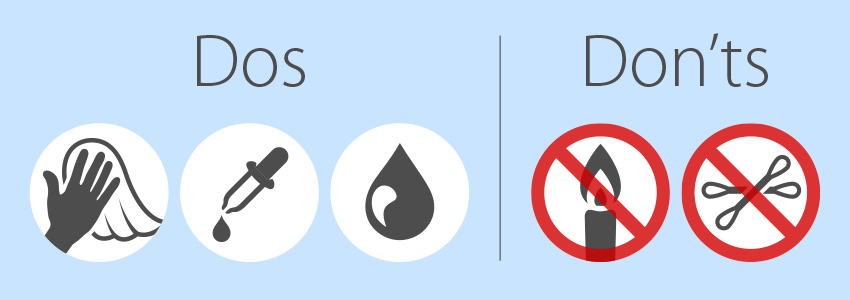
What Are the Dos and Don’ts of Ear Cleaning?
When Should I See a Hearing Care Professional?
Sometimes, earwax buildup requires the attention of a professional who can examine your ears, determine the nature of the problem, and customize a treatment.
Treatment may include prescribing ear drops, applying wax-dissolving agents, using a suction technique, or providing another appropriate solution.
Consult your hearing care professional if one or more of the following apply:
- Your symptoms persist, especially with pain or hearing loss
- Home remedies seem ineffective
- Earwax buildup is blocking your ear canal
- Your eardrum could be perforated or punctured
If you or a loved one is experiencing problems with earwax, contact us for an evaluation and customized treatment options for your individual needs. We can help with all your questions and concerns.

Your Health Deserves Expert ENT Care
From better hearing and improved sleep to allergy relief and younger-looking skin, our team is here to help every member of your family feel their best. Discover compassionate ENT care right here in your community.