
Tonsils & Adenoids

Understanding Tonsils and Adenoids
Tonsils and adenoids are lymphatic tissues located in the throat and behind the nose. When they become enlarged, they can block the airway and interfere with normal breathing, especially during sleep. This condition is a common cause of sleep‑disordered breathing in children and can progress to obstructive sleep apnea if left untreated.
Sleep‑disordered breathing may lead to:
Untreated sleep apnea can also contribute to more serious comorbidities, including:
At Joplin ENT, we evaluate enlarged tonsils and adenoids carefully to determine whether surgical removal (tonsillectomy or adenoidectomy) or other treatments are needed. Our goal is to restore healthy breathing, improve sleep quality, and prevent long‑term complications.

Common Problems and Symptoms
Tonsil and adenoid issues can lead to a variety of symptoms, including:
- Recurring sore throats or tonsillitis
- Snoring or obstructive sleep apnea
- Peritonsillar abscess
- Mouth breathing or nasal speech
- Chronic ear infections or sinus infections
- Difficulty swallowing or bad breath
Common conditions include:
- Tonsillitis – Infection of the tonsils causing pain, redness, and swelling
- Adenoiditis – Inflammation or infection of the adenoids, causing runny nose, snoring, and mouth-breathing
- Enlarged tonsils or adenoids – Causing airway obstruction or sleep issues
If infections are frequent or breathing is affected, an ENT specialist may recommend evaluation for removal.

Treatment and When to Consider Surgery
Treatment depends on the severity and frequency of symptoms. Mild or occasional infections can often be managed with medication, rest, and hydration. When problems become chronic or interfere with breathing or sleep, your ENT may recommend:
- Tonsillectomy (removal of the tonsils)
- Adenoidectomy (removal of the adenoids)
- Both, if necessary
These procedures are common, safe, and typically performed on an outpatient basis with a short recovery period.
At Joplin ENT, our expert team provides comprehensive diagnostics and care for tonsil and adenoid conditions in both children and adults. Contact us to schedule an appointment and find the best treatment plan for you or your child.
Frequently Asked Questions
Your Health Deserves Expert ENT Care
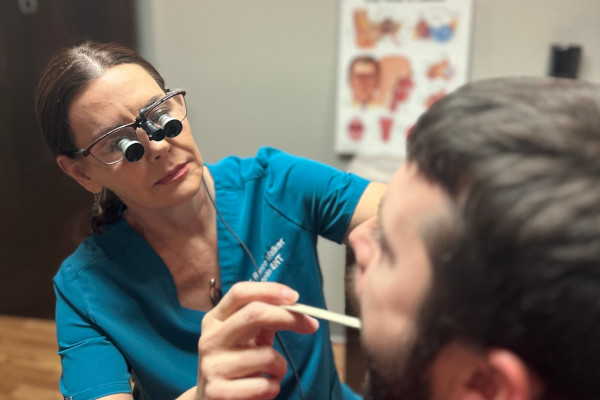
From better hearing and improved sleep to allergy relief and younger-looking skin, our team is here to help every member of your family feel their best. Discover compassionate ENT care right here in your community.