
Swimmer’s Ear
Understanding Swimmer’s Ear (Otitis Externa)
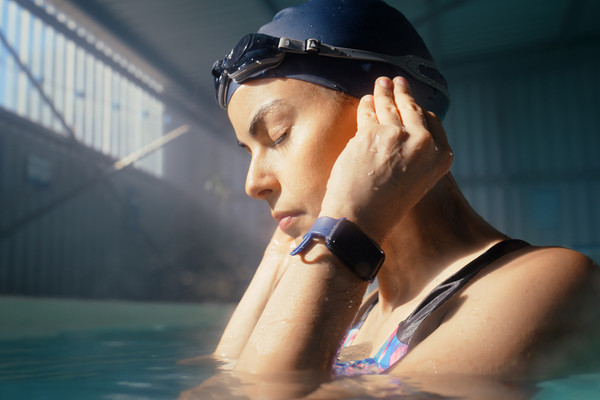
Swimmer’s ear is an infection of the ear canal — the passage that leads from the outer ear to the eardrum. It often develops when water becomes trapped in the ear, creating a warm, moist environment where bacteria can grow. Although it’s commonly linked to swimming, anyone can develop swimmer’s ear from moisture, irritation, or injury inside the ear.
Common Symptoms
Swimmer’s ear can range from mild discomfort to severe pain. Symptoms may include:
- Itching or redness in the ear canal
- Drainage of clear fluid or pus
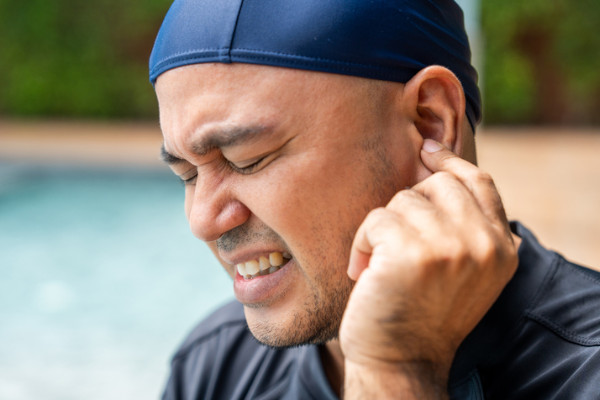
- Pain when touching or pulling the ear
- A feeling of fullness or muffled hearing
- Swelling around the outer ear
If left untreated, symptoms can worsen and spread deeper into the ear or surrounding tissue.
What Causes Swimmer’s Ear?

The most frequent cause is prolonged moisture in the ear — from swimming, showering, or sweating — but other factors can contribute, such as:
- Cleaning ears too aggressively with cotton swabs
- Using earbuds or hearing aids that irritate the canal
- Skin conditions like eczema or psoriasis
- Bacteria or, less commonly, fungal infections
How It’s Diagnosed
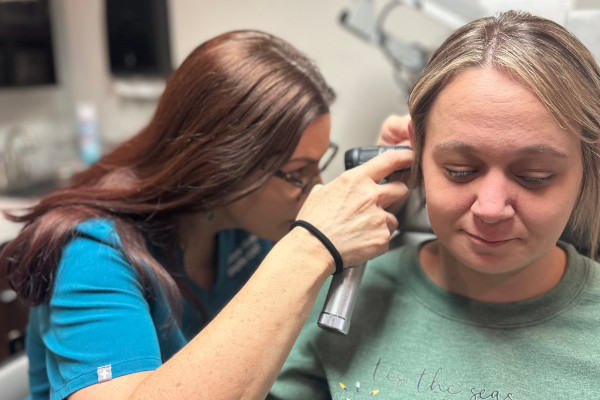
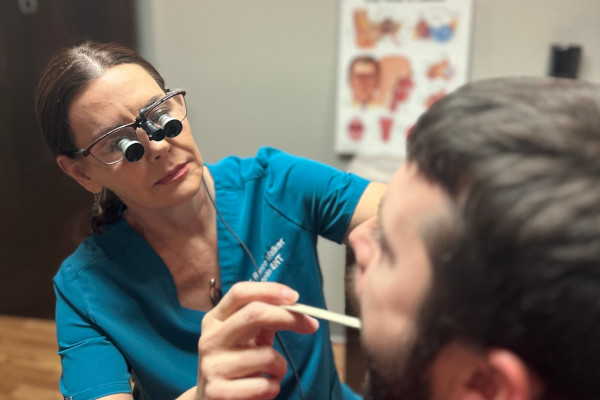
An ENT specialist can usually diagnose swimmer’s ear with a simple visual examination of your ear canal using an otoscope. In more advanced or chronic cases, your provider may take a sample of ear discharge to determine the type of infection and the most effective treatment.
Treating and Preventing Swimmer’s Ear
Treatment
Most cases of swimmer’s ear respond well to prompt medical care. Common treatments include:
- Prescription ear drops that contain antibiotics, steroids, or antifungal medication
- Gentle cleaning of the ear canal to remove debris and allow medication to work
- Pain management with over-the-counter or prescribed medication
With proper care, symptoms usually improve within a few days. It’s important to complete the full course of treatment even if you start feeling better.
Prevention
You can reduce your risk by taking a few simple precautions:
- Dry your ears gently after swimming or bathing.
- Tilt your head and pull your earlobe to help water drain.
- Avoid inserting cotton swabs or objects into your ear canal.
- Use earplugs or a swim cap if you swim frequently.
If you’re prone to infections, your ENT may recommend preventive ear drops to keep your ear canal dry and balanced.
When to See an ENT
If you experience ear pain, swelling, or drainage that lasts more than a day or two, or if your hearing becomes muffled, you should schedule an evaluation. Quick treatment helps prevent complications and ensures a faster recovery.
Your Health Deserves Expert ENT Care
From better hearing and improved sleep to allergy relief and younger-looking skin, our team is here to help every member of your family feel their best. Discover compassionate ENT care right here in your community.